From the Desert to Global Markets: Camel Milk & the Evolution of International Trade
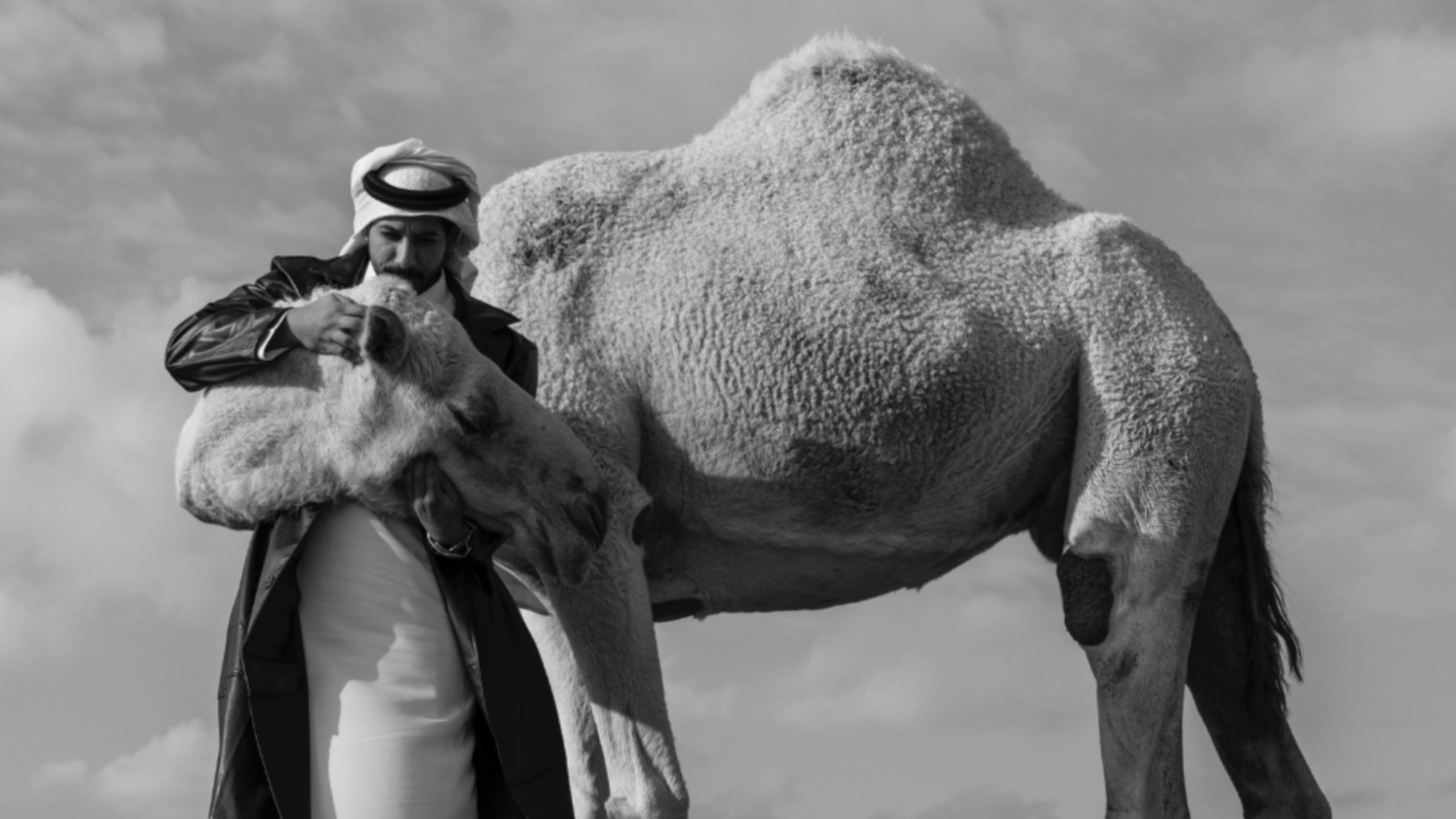
Photo by Saleh Al Hathloul
For centuries, camels have been an integral part of the Arabian Peninsula’s environmental, cultural, and economic heritage. Today, they are also contributing to the development of new opportunities in food production, biotechnology, and international trade.
In May 2025, the Kingdom of Saudi Arabia and China signed two agricultural export protocols that opened the Chinese market to Saudi dairy products and aquaculture exports. The agreements represented more than an expansion of bilateral trade. They reflected the confidence of one of the world’s largest consumer markets in Saudi production systems and regulatory standards, while supporting the Kingdom’s broader objectives of economic diversification under Saudi Vision 2030.
Within this context, camel milk has become part of a wider global conversation surrounding food security, value-added agriculture, and the emerging bioeconomy.
Evolving Consumer Demand & Regulatory Development
Over the past two decades, China has experienced significant economic and social transformation. Rising household incomes, growing awareness of nutrition, and increased attention to food quality have contributed to changing consumer preferences. These trends accelerated following the COVID-19 pandemic, with greater demand for premium food products supported by quality assurance and scientific research.
As demand evolves, regulatory systems evolve alongside it.
The expansion of market access for imported dairy products reflects comprehensive regulatory assessment, food safety requirements, and long-term planning. For producers, compliance with these standards represents an important step toward accessing international markets.
At the international level, discussions within the Codex Alimentarius Commission continue to support the development of harmonized standards for camel milk, contributing to greater consistency in global trade and facilitating market access for producers around the world.
The development of regulations is therefore not solely an administrative process. It is also an indicator of how governments prepare for emerging industries and future market opportunities.
International Experiences in Developing the Camel Sector
Countries have adopted different approaches to developing their camel industries, each reflecting local priorities and economic conditions.
Kenya: Community-Led Growth
Kenya has become Africa’s largest camel milk producer through the accumulated expertise of pastoral communities that have raised camels for generations. As domestic demand increased, traditional production gradually developed into organized supply chains, processing facilities, and commercial enterprises. Regulatory frameworks were introduced as the sector expanded, providing greater structure and supporting continued growth.
This experience demonstrates that sustainable industries often begin with local knowledge before being strengthened through institutional support and regulatory development.
Kazakhstan: Adding Value Through Research
Kazakhstan has focused on increasing the economic value of camel milk through investment in scientific research, higher education, breeding programs, and food technology.
Rather than concentrating solely on production volume, the country has prioritized product development and innovation, enabling camel milk to contribute to specialized nutrition, functional food applications, and research-driven industries.
This approach illustrates the growing importance of knowledge, innovation, and technology in enhancing the value of agricultural resources.
Saudi Arabia’s Position in the Emerging Camel Bioeconomy
Saudi Arabia possesses a combination of strategic advantages that position it to contribute to the future development of the global camel sector. These include one of the world’s largest camel populations, advanced regulatory systems, expanding research capabilities, and strong international partnerships.
Through Saudi Vision 2030, the Kingdom continues to strengthen food security, encourage innovation, support biotechnology, and expand the contribution of non-oil sectors to the national economy. These priorities create an enabling environment for developing high-value industries built upon national resources and scientific research.
The opening of the Chinese market to Saudi dairy products reflects the confidence placed in the Kingdom’s quality standards and production systems. It also demonstrates the growing competitiveness of Saudi agricultural products within international markets.
As research advances and new technologies emerge, opportunities continue to expand beyond traditional agricultural production toward specialized ingredients, intellectual property, advanced manufacturing, and biotechnology applications.
From Heritage to Innovation
The camel has long represented resilience, adaptability, and sustainability across the Arabian Peninsula.
Today, these same qualities continue to inspire innovation across multiple sectors, including agriculture, food science, biotechnology, and international trade.
The journey of camel milk now extends beyond traditional production to research institutions, regulatory organizations, advanced manufacturing, and global export markets. It reflects a broader transformation in which heritage serves as a foundation for innovation and sustainable economic development.
As global demand for high-quality, value-added food products continues to grow, Saudi Arabia is well positioned to contribute to shaping the future of the global camel economy through scientific excellence, regulatory leadership, and international collaboration.
Looking Ahead
The continued integration of scientific research, regulatory excellence, and international cooperation is expected to create new opportunities for the camel sector. As global markets evolve, the Kingdom’s investments in innovation, quality, and sustainability position it to play an increasingly important role in advancing the camel bioeconomy both regionally and internationally.
Sources:
Saudi Arabia & Trade
- General Administration of Customs of the People’s Republic of China (GACC). (2025). Protocols on Saudi dairy and aquaculture imports.
- Ministry of Environment, Water and Agriculture (Saudi Arabia). (2025). Saudi-China agricultural cooperation announcements.
- Saudi Press Agency (SPA). (2025). Saudi Arabia and China sign agricultural export protocols.
- Saudi Vision 2030. (2025). Vision Realization Programs.
- Ministry of Investment Saudi Arabia (MISA). Investment opportunities in biotechnology.
International Organizations
- Food and Agriculture Organization of the United Nations (FAO). Camel Production Systems and Food Security.
- Food and Agriculture Organization. FAOSTAT Database.
- Codex Alimentarius Commission (FAO/WHO). Committee on Milk and Milk Products.
- World Trade Organization. Agreement on the Application of Sanitary and Phytosanitary Measures (SPS Agreement).
- World Health Organization. COVID-19 and healthy diets.
- National Bureau of Statistics of China.